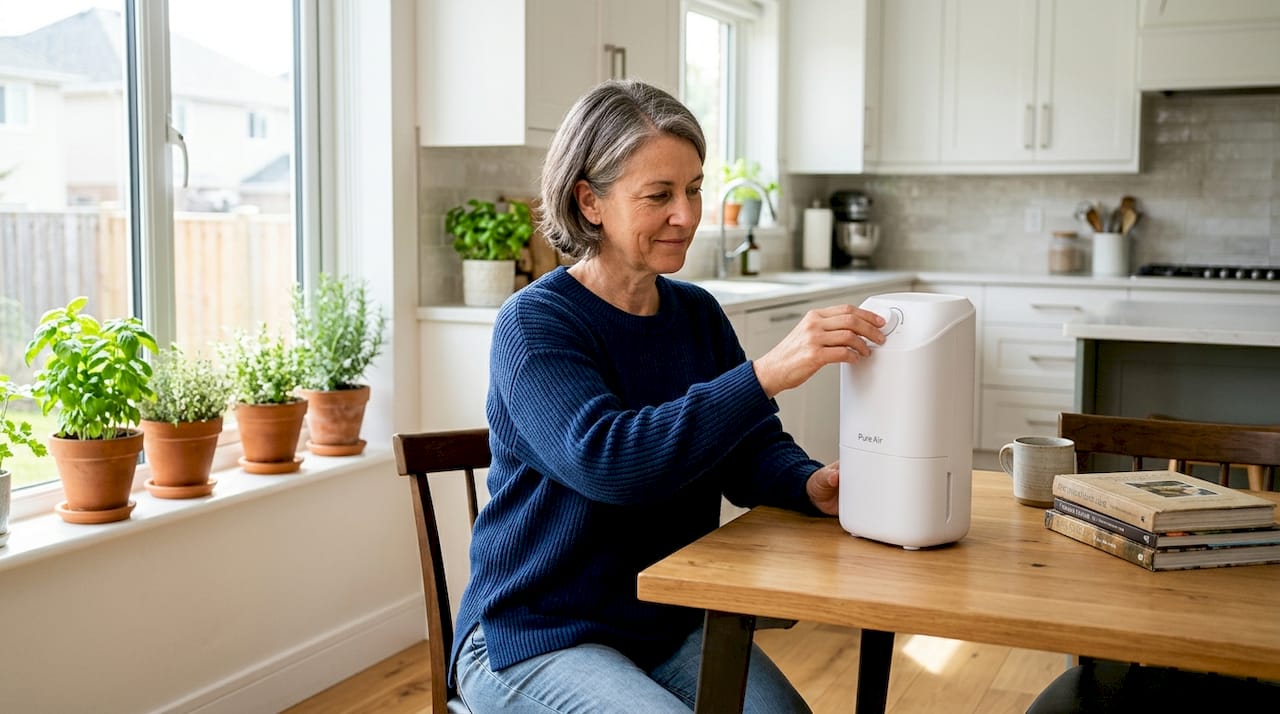
Dehumidifiers are defined as moisture-removing appliances that control indoor relative humidity (RH) to inhibit the growth of allergens like dust mites and mould. The role of dehumidifiers in allergen control is to maintain indoor RH between 40% and 50%, a range that suppresses moisture-dependent allergens without over-drying the air. For Australian families dealing with humid coastal climates, tropical summers, or poorly ventilated homes, this single environmental adjustment can meaningfully reduce allergy triggers. Pairing a dehumidifier with a HEPA air purifier addresses both moisture-based and airborne allergens, giving you a more complete defence.
How do dehumidifiers inhibit allergen growth?
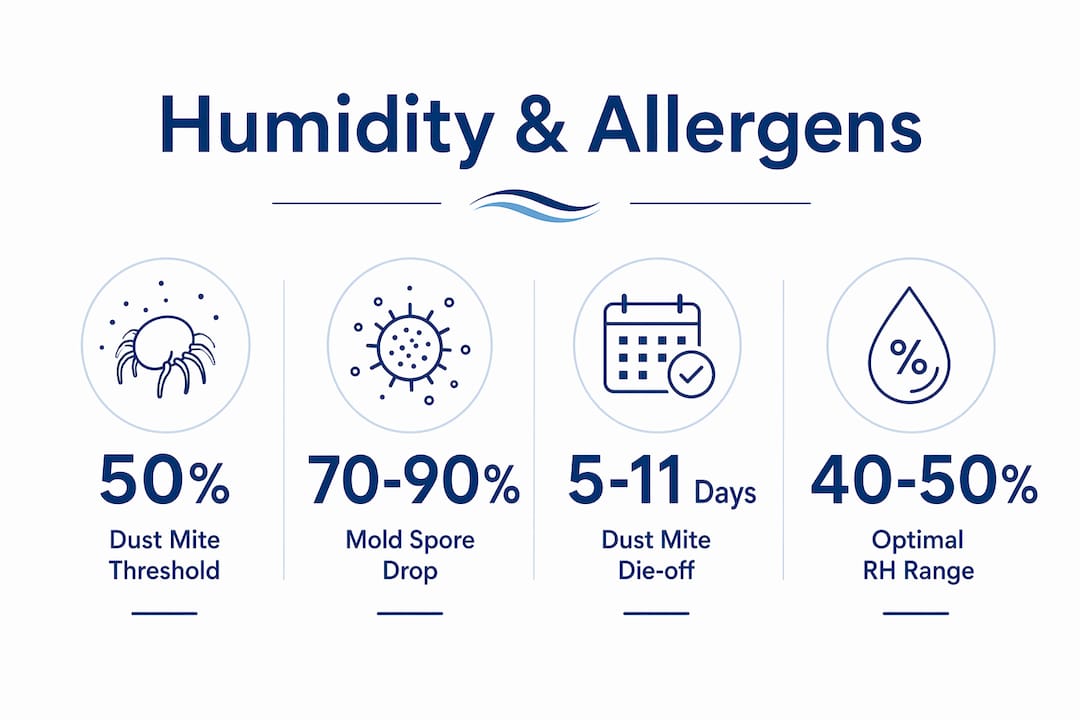
Dehumidifiers reduce allergen load by removing the moisture that dust mites and mould need to survive. Both are the most common indoor allergens in Australian homes, and both are directly tied to humidity levels.
Dust mites die within 5–11 days when RH is consistently kept below 50%. Maintaining below 35% RH for 22 hours daily can eliminate them entirely. That is a significant finding because it means a well-set dehumidifier is not just slowing mite growth. It is actively killing an existing population.
Mould responds similarly. Airborne mould spores drop by 70–90% when RH is held below 50% over two to eight weeks. The reduction is gradual because mould colonies already established in wall cavities or carpet fibres take time to dry out and stop releasing spores.
The table below summarises the humidity thresholds that matter most for common household allergens.
| Allergen | Thrives Above | Suppressed Below | Time to Effect |
|---|---|---|---|
| Dust mites | 50% RH | 50% RH | 5–11 days |
| Mould spores | 60% RH | 50% RH | 2–8 weeks |
| Mildew | 65% RH | 50% RH | 1–4 weeks |
Temperature and organic materials also matter. Dust mites feed on shed skin cells in bedding and carpet, so high humidity combined with warm temperatures creates ideal breeding conditions. Reducing humidity removes one of the two key variables, which is why bedrooms and living areas are the highest-priority rooms for dehumidification.
Maintaining RH around 45–50% balances effective allergen suppression with human comfort. Going lower than 40% consistently starts to dry out mucous membranes and can cause its own irritation.
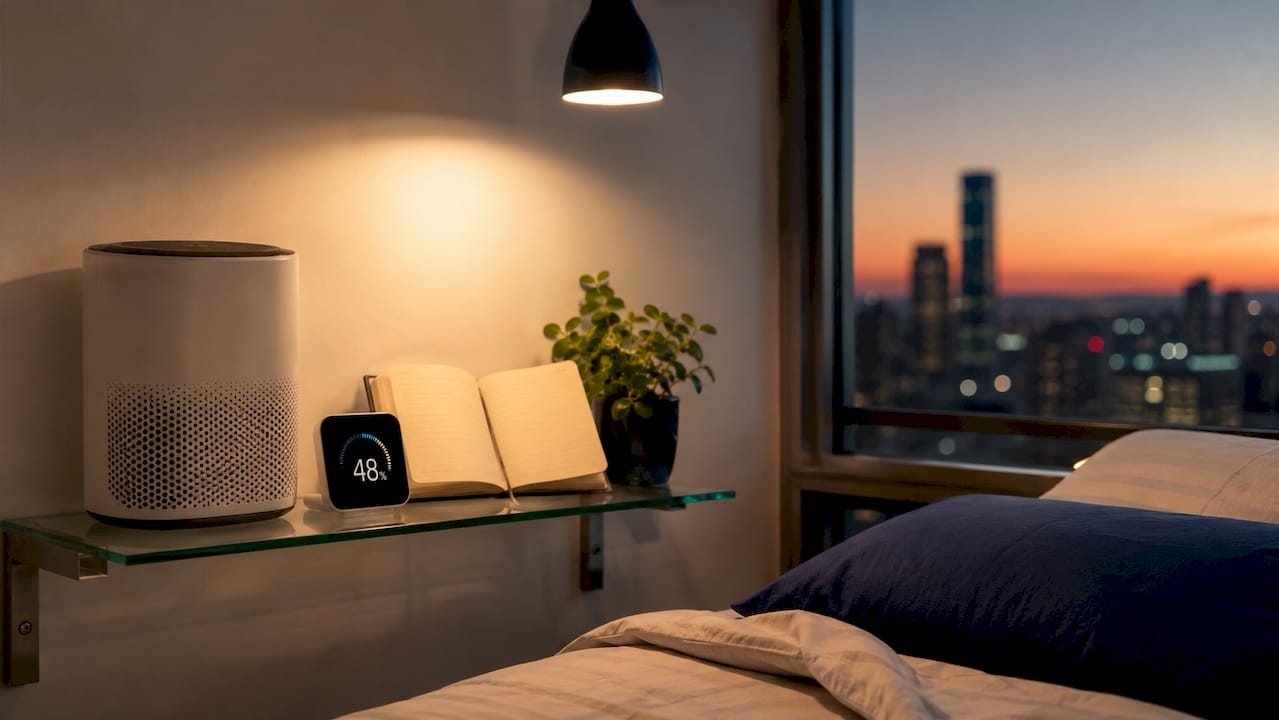
Pro Tip: Place your dehumidifier in the room where you spend the most time sleeping or resting. Dust mite populations are densest in bedding and mattresses, so targeting the bedroom first gives you the fastest relief.
What are the limitations and risks of dehumidifiers for allergy control?
Dehumidifiers control moisture-based allergens, but they do not filter the air. Dehumidifiers do not remove airborne particles like pollen, pet dander, or dust fragments. Those particles stay suspended in the air regardless of humidity levels, which is why a dehumidifier alone rarely produces full clinical relief.
Over-drying is the most common misuse. Air dried below 30% RH causes respiratory irritation and increases the suspension of fine dust particles, which can actually worsen allergy symptoms. The irony is that running a dehumidifier too aggressively can mimic the very symptoms you are trying to prevent.
Built-in humidity sensors on most dehumidifiers read the air immediately around the unit, not the ambient room air. Standalone hygrometers placed away from the unit give a far more accurate picture of actual room humidity. A $20–$40 standalone hygrometer is one of the most cost-effective additions to any allergen management setup.
Common mistakes to avoid when using a dehumidifier for allergy control:
- Running the unit without a humidistat target. Set a specific RH target of 45–50%, not just “maximum” extraction.
- Ignoring the water tank. A full, stagnant tank becomes a mould source itself. Empty it daily or use continuous drainage.
- Treating the dehumidifier as the only solution. Single-intervention strategies rarely produce significant clinical relief. Combine with allergen-proof mattress encasements, regular vacuuming with a HEPA-filtered vacuum, and washing bedding in hot water weekly.
- Skipping regular filter cleaning. Dust accumulates on the unit’s intake filter and recirculates if not cleaned monthly.
Pro Tip: Run a standalone hygrometer for 48 hours before buying a dehumidifier. You may find certain rooms are already within the 40–50% RH target, and you only need to address specific problem areas like bathrooms or basements.
Dehumidifiers vs air purifiers vs humidifiers: which controls allergens best?
These three devices are frequently confused, but they solve different problems. Understanding which one to use, and when, prevents wasted money and poor results.
A dehumidifier removes excess moisture from the air, targeting allergens that need humidity to grow. An air purifier filters airborne particles through a HEPA filter, capturing pollen, pet dander, dust mite fragments, and mould spores already floating in the air. A humidifier adds moisture and is used when air is too dry, typically in winter or in air-conditioned spaces. Misusing a humidifier in an already humid room accelerates mould and dust mite growth.
The comparison below clarifies which device addresses which allergen type.
| Device | Primary Function | Best For | Risk if Misused |
|---|---|---|---|
| Dehumidifier | Removes moisture | Dust mites, mould, mildew | Over-drying below 30% RH |
| HEPA Air Purifier | Filters airborne particles | Pollen, pet dander, dust fragments | Insufficient if humidity is too high |
| Humidifier | Adds moisture | Dry air irritation, winter comfort | Worsens mould and mite growth |
The most effective approach combines a dehumidifier with a HEPA air purifier. The dehumidifier stops new allergen colonies from forming. The purifier removes the particles already in the air. Together, they address both the source and the symptom. If you are unsure which combination suits your home, the Pureair-au guide on choosing an air purifier with humidifier walks through the decision clearly.
Humidifiers belong in the toolkit only when RH drops below 35%, typically in dry inland regions or heavily air-conditioned apartments during winter. Adding humidity to an already humid home is one of the most common and costly mistakes Australian families make.
What practical steps maximise a dehumidifier’s effectiveness?
Selecting the right unit and operating it correctly determines whether you see real allergen reduction or just a higher electricity bill. The following steps are drawn from current sizing guidance and operational best practices.
Choosing the right capacity is the starting point. A unit rated for 10–12 litres per day suits a standard bedroom or living room up to 30 square metres in a moderately humid climate. Larger open-plan areas or basements in tropical or coastal Queensland and New South Wales need units rated at 20–30 litres per day. Undersized units run continuously without reaching the target RH, wasting energy and producing no allergen benefit.
Setting and monitoring humidity is where most homeowners go wrong. Set your dehumidifier’s humidistat to 45–50% RH. Then verify that reading with a standalone hygrometer placed in the centre of the room, away from the unit. Check it after 24 hours and adjust the humidistat if the readings differ by more than 5%.
Drainage in high-humidity areas requires a practical solution. In bathrooms, laundries, or basements, manual tank emptying becomes unsustainable within days. Continuous drainage with a built-in pump allows the unit to run uninterrupted and prevents the tank itself from becoming a mould source. Quality residential dehumidifiers with pump drainage typically cost between $150 and $500.
Setup and maintenance checklist:
- Position the unit at least 30 centimetres from walls to allow unrestricted airflow.
- Clean the intake filter every two to four weeks with a soft brush or vacuum.
- Wipe the water tank with a diluted white vinegar solution monthly to prevent mould growth inside the tank.
- Pair with allergen-proof mattress and pillow encasements to reduce the dust mite reservoir in bedding.
- Wash bedding weekly in water above 60°C to kill mites that survive in fabric.
- Vacuum carpets and upholstery twice weekly using a HEPA-filtered vacuum cleaner.
- Consult an allergist if symptoms persist after eight weeks of consistent humidity control. Some individuals require immunotherapy alongside environmental management.
For mould-prone rooms, the Pureair-au article on air purifiers for mould prevention provides additional guidance on pairing filtration with moisture control.
Key takeaways
Dehumidifiers reduce allergen load by maintaining indoor RH at 40–50%, suppressing dust mites and mould, but they require pairing with HEPA filtration and regular cleaning to deliver meaningful allergy relief.
| Point | Details |
|---|---|
| Target humidity range | Keep indoor RH at 40–50% to suppress dust mites and mould without over-drying. |
| Dust mite elimination | Mites die within 5–11 days when RH stays consistently below 50%. |
| Dehumidifiers do not filter air | Pair with a HEPA air purifier to remove airborne pollen, pet dander, and dust fragments. |
| Avoid over-drying | Air below 30% RH worsens allergy symptoms by increasing fine particle suspension. |
| Multi-component strategy wins | Combine humidity control, allergen-proof encasements, and regular cleaning for best results. |
What i have learned from watching families use dehumidifiers
After years of working in the air quality space, the pattern I see most often is this: a family buys a dehumidifier, runs it for two weeks, notices modest improvement, and then either abandons it or cranks it to maximum. Both responses miss the point.
A dehumidifier is a precision tool, not a set-and-forget appliance. The families who see genuine, sustained allergy relief are the ones who treat humidity like a vital sign. They check it regularly, they adjust seasonally, and they combine the dehumidifier with a HEPA purifier and basic cleaning habits.
The other thing I would push back on is the idea that a more expensive unit automatically means better allergen control. Capacity matching matters far more than brand prestige. A correctly sized $200 unit running at 45% RH will outperform a $600 unit set to maximum in a room twice its rated size.
My honest advice: buy a standalone hygrometer before you buy a dehumidifier. Spend $25 and measure your actual problem rooms for a week. You might find that only one room needs intervention, which saves you money and gives you a focused solution rather than a whole-house approach that dilutes your effort.
Dehumidifiers are foundational. They are not cures. Used correctly, they remove the conditions that allergens need to thrive. That is a meaningful, evidence-backed contribution to your family’s health. Just do not expect them to do the whole job alone.
— Lucas
Find the right solution for your home at Pureair-au
Pureair-au stocks a curated range of air quality products designed for Australian conditions, from humid tropical summers to dry inland winters. Whether you need a dehumidifier for a coastal Queensland home or a HEPA purifier to tackle bushfire smoke and pollen, the Pureair-au full product catalogue covers dehumidifiers, air purifiers, and replacement filters with Australian pricing and local support. All products are AHAM verified, so the performance ratings you see are the performance you get. The Smart Finder tool on the website helps you match the right unit to your specific concern, whether that is mould, dust mites, or pet dander, without needing to wade through technical specifications on your own.
FAQ
What humidity level kills dust mites?
Dust mites die within 5–11 days when indoor RH is consistently kept below 50%. Maintaining below 35% RH for 22 hours daily can eliminate an existing population entirely.
Can a dehumidifier make allergies worse?
Yes, if it over-dries the air. RH below 30% increases fine particle suspension and causes respiratory irritation, which mimics and worsens allergy symptoms. Keep the target at 40–50% RH.
Do dehumidifiers remove pollen and pet dander?
No. Dehumidifiers remove moisture, not airborne particles. Pollen, pet dander, and dust fragments require a HEPA air purifier to be captured and removed from the air.
How long before a dehumidifier reduces mould spores?
Airborne mould spore counts drop by 70–90% over two to eight weeks when RH is maintained below 50%. Established mould colonies take longer to dry out than newly forming ones.
How do i know if my dehumidifier is set correctly?
Use a standalone hygrometer placed in the centre of the room, away from the unit. If the reading differs from the dehumidifier’s built-in display by more than 5%, adjust the humidistat to match the standalone reading.