Room air quality improvement steps are targeted actions that reduce indoor pollutants and create healthier living spaces for your family. Indoor air can be 2–5 times more polluted than outdoor air, and Australians spend around 90% of their time indoors. The US EPA identifies source control, ventilation, and filtration as the three most effective strategies. Following these in order matters. Skipping straight to an air purifier without measuring or controlling pollution sources wastes money and misses the root problem entirely.
1. measure your indoor air quality first
Measurement is the correct first step in any air quality improvement plan for the home. Most homeowners buy air purifiers before measuring indoor pollutant levels, which leads to misdirected spending and ongoing problems. A PM2.5 monitor tracks fine particle pollution. A digital hygrometer tracks humidity. Together, they tell you exactly what you are dealing with before you spend a cent on equipment.
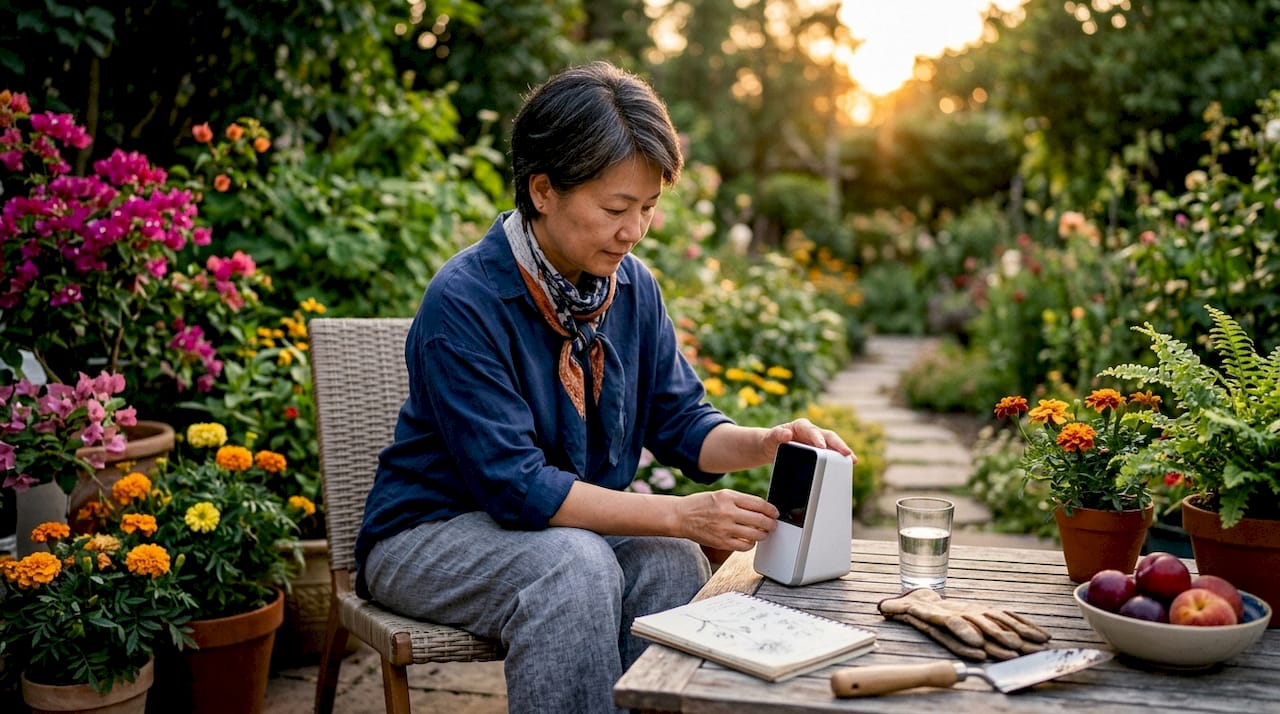
Affordable portable indoor air quality (IAQ) monitors now measure PM2.5, VOCs, carbon dioxide, and humidity in one device. Brands like Temtop, Airthings, and IQAir offer models suited to home use. Room-specific data matters because the kitchen, bedroom, and bathroom each carry different pollutant profiles.
- PM2.5 monitors detect fine particles from cooking, candles, and bushfire smoke
- VOC sensors flag off-gassing from paints, cleaning products, and furniture
- Digital hygrometers cost as little as $10–$25 and track moisture levels
- CO2 monitors indicate whether ventilation is adequate in occupied rooms
Pro Tip: Place a portable IAQ monitor in the room where your family spends the most time first. Bedroom readings overnight often reveal surprising pollution levels from synthetic bedding or poor ventilation.
2. control pollution sources before anything else
Source control must always precede ventilation and filtration for effective indoor air quality improvements. Removing or reducing pollutants at their origin is more effective than diluting or capturing them downstream. This principle is the foundation of every credible air quality improvement plan.

Common indoor pollution sources include combustion appliances, VOC-emitting paints and adhesives, mould, synthetic cleaning products, and off-gassing furniture. Each one adds to your total pollutant load. Addressing them directly produces results that no air purifier can replicate.
Practical source control steps include:
- Switch to low-VOC or zero-VOC paints, sealants, and cleaning products
- Store chemicals, solvents, and pesticides in sealed containers outside the living area
- Fix leaks and moisture problems promptly to prevent mould growth
- Service gas heaters and cooktops annually to reduce combustion by-products
- Install carbon monoxide and smoke detectors on every level of the home
- Vacuum carpets and soft furnishings regularly to remove settled particles
Pro Tip: When renovating, choose low-emission flooring and cabinetry certified to GREENGUARD or AFRDI standards. New materials are among the highest VOC sources in any home.
3. ventilate strategically to dilute indoor pollutants
Ventilation is the second pillar of improving indoor air quality, and it works by replacing stale, polluted indoor air with fresh outdoor air. The key word is strategic. Opening every window at peak pollen season or during a bushfire event makes conditions worse, not better.
On clean-air days, cross-ventilate by opening windows on opposite sides of the home to create airflow. Use kitchen exhaust fans every time you cook. Cooking produces PM2.5, nitrogen dioxide, and moisture, and a rangehood vented to the outside removes all three. Bathroom exhaust fans should run during and for 15 minutes after showering to control humidity and prevent mould.
For homes in high-traffic areas or those with allergy sufferers, mechanical ventilation systems such as Energy Recovery Ventilators (ERVs) or Heat Recovery Ventilators (HRVs) provide continuous fresh air exchange without the energy loss of open windows. These systems filter incoming air and recover heat or coolness from outgoing air.
During bushfires or outdoor pollution events, set up a clean air room with a portable HEPA purifier running on high, keep windows and doors closed, and check air quality alerts via the AirVisual app or your state EPA’s monitoring service. Ventilation decisions should always follow current outdoor air quality data.
4. filter indoor air with the right equipment
Filtration supplements source control and ventilation. It does not replace them. Air purifiers supplement but do not replace source control or ventilation, and persistent symptoms after 30 days warrant professional IAQ testing.
For central HVAC systems, use MERV 11–13 pleated filters and replace them every 60–90 days for optimal particle removal without restricting airflow. For portable purifiers, HEPA filtration captures 99.97% of airborne particles down to 0.3 microns. Placement matters as much as the unit itself. Position purifiers in the room centre rather than against walls to improve air circulation. Keep auto-mode sensors away from cooking zones or drafts to prevent erratic readings.
| Filter Type | Best For | Replacement Interval |
|---|---|---|
| MERV 11–13 pleated (HVAC) | Whole-home particle removal | Every 60–90 days |
| HEPA portable purifier | Room-level fine particle capture | Every 6–12 months |
| Activated carbon filter | VOCs, odours, gases | Every 3 months |
| HEPA vacuum filter | Settled dust and allergens on surfaces | Per manufacturer schedule |
HEPA-certified vacuums capture pollutants settled on surfaces that air purifiers miss entirely. Vacuuming with a standard unit simply redistributes fine particles back into the air.
Pro Tip: Read our HEPA air purifier buyer’s guide before purchasing. Understanding filter types and room coverage ratings prevents the most common and costly buying mistakes.
5. maintain filters to keep performance high
Filter maintenance is where most households lose the gains they have worked to achieve. Activated carbon filters need replacement every three months, and pleated mechanical filters every six to twelve months depending on usage. Running a clogged filter is worse than running no filter at all in some cases, because it restricts airflow and forces the motor to work harder.
Check your purifier’s filter indicator light monthly. Do not rely solely on the indicator. In high-pollution periods such as bushfire season or spring pollen peaks, inspect filters visually every four weeks. A grey or brown filter surface is a clear sign it needs changing. For detailed guidance on keeping HEPA filters in top condition, the HEPA filter maintenance guide from ClimaSaudi covers the full process clearly.
A year-round HVAC maintenance checklist from Target Air Systems outlines seasonal filter checks and system inspections that keep your whole-home filtration performing at its best.
6. manage indoor humidity to prevent mould and dust mites
The recommended indoor humidity range is 30%–50% to prevent mould growth and dust mite proliferation. Both mould spores and dust mite allergens are major respiratory triggers, particularly for children and people with asthma. Keeping humidity within this range is one of the most cost-effective steps for cleaner air.
| Humidity Level | Risk | Recommended Action |
|---|---|---|
| Below 30% | Dry air, irritated airways, static | Use a humidifier |
| 30%–50% | Optimal range | Monitor with hygrometer |
| Above 50% | Mould growth, dust mite activity | Use a dehumidifier |
| Above 60% | High mould and structural risk | Urgent dehumidification needed |
A digital hygrometer costing $10–$25 gives you real-time humidity readings in any room. In humid climates like coastal Queensland or tropical Northern Territory, a dehumidifier is often the single most impactful purchase a household can make. In dry inland areas during winter, a humidifier prevents the cracked skin and irritated airways that come with air that is too dry.
Spot mould early by checking window sills, bathroom grout, and the backs of wardrobes against exterior walls. Mould that covers an area larger than a dinner plate warrants professional remediation, not just surface cleaning.
Key takeaways
The most effective approach to improving room air quality is to measure first, control sources second, then layer ventilation and filtration on top.
| Point | Details |
|---|---|
| Measure before you spend | Use PM2.5 monitors and hygrometers to identify what you are actually dealing with. |
| Source control comes first | Removing pollutants at their origin outperforms any purifier or ventilation strategy. |
| Ventilate with awareness | Open windows on clean-air days; use exhaust fans every time you cook or shower. |
| Filter and maintain regularly | Replace HVAC filters every 60–90 days and activated carbon filters every 3 months. |
| Keep humidity at 30%–50% | This single range prevents mould, dust mites, and dry-air irritation simultaneously. |
What i have learned after years of watching families get this wrong
The most common mistake I see is the same one every time. A family member develops allergies or asthma symptoms, and the first purchase is a $400 air purifier. The symptoms improve slightly, then plateau. Nobody measured anything. Nobody checked whether the rangehood was actually vented outside. Nobody looked at the mould behind the bathroom vanity.
A phased, habit-based approach focused on kitchen ventilation and bedroom filtration is more sustainable than one-off heroic purchases. That finding matches everything I have observed. The families who get lasting results are not the ones who spent the most. They are the ones who built small, consistent habits: running the exhaust fan every time they cook, checking the hygrometer each morning, swapping filters on schedule.
The other mistake is treating air purifiers as the whole solution. They are the last line of defence, not the first. Air purifiers are a supplement, not a cure-all. Recognising their correct role helps manage expectations and investment wisely. If your purifier is working hard every day and symptoms persist, the answer is not a bigger purifier. The answer is finding and fixing the source.
Start with a $15 hygrometer and a $40 PM2.5 monitor. Spend one weekend on source control. Then decide what equipment you actually need. That sequence saves money, reduces frustration, and produces real, measurable results.
— Lucas
How Pureair-au can help you take the next step
If your measurements have revealed a real problem and you are ready to act, Pureair-au offers a range of AHAM-verified air purifiers, humidifiers, and dehumidifiers built for Australian conditions. Their Smart Finder tool matches you to the right unit based on your specific concern, whether that is bushfire smoke, pollen, mould, or dry winter air.
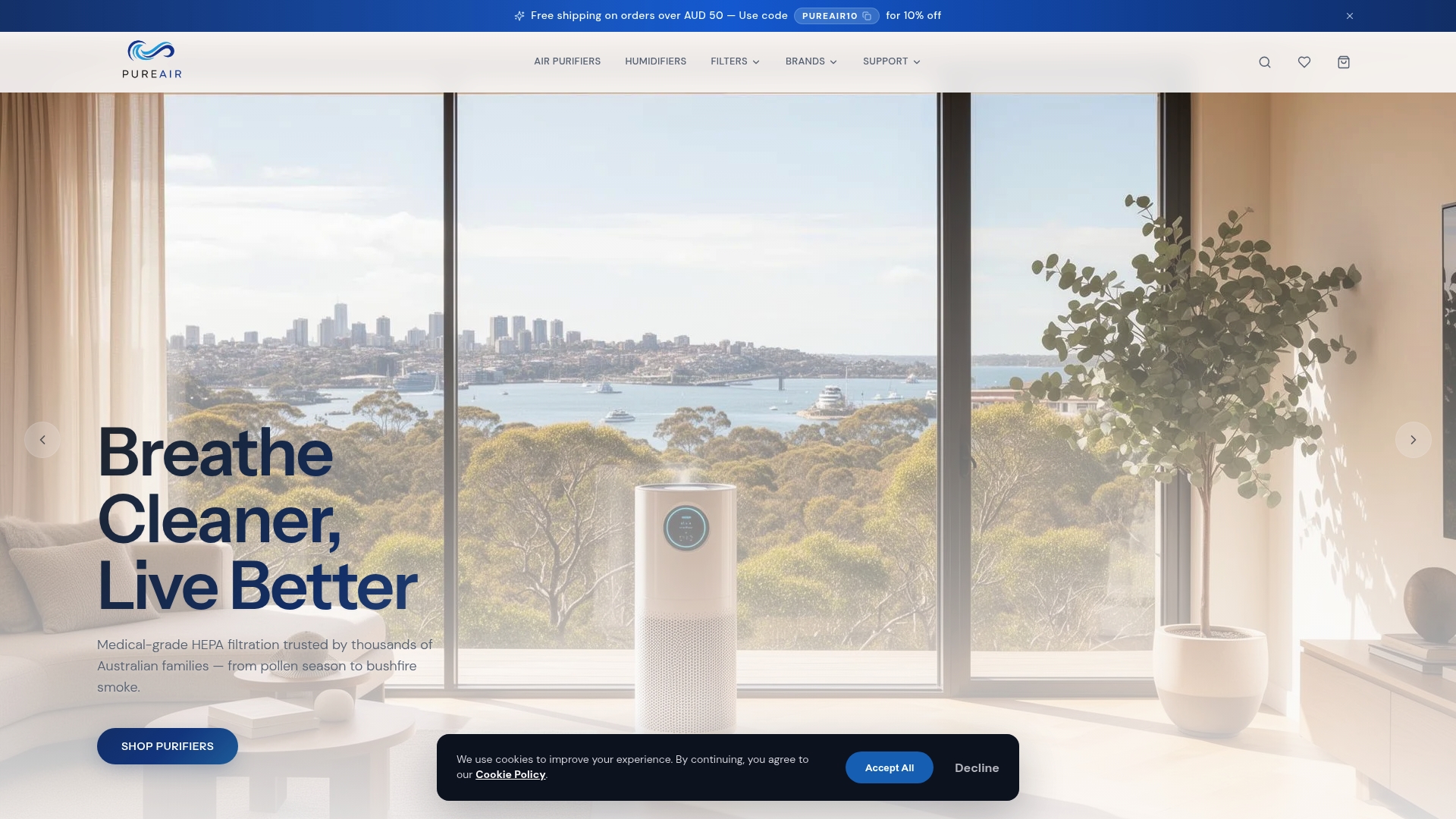
Browse the full Pureair-au product catalogue to compare purifiers, humidifiers, and dehumidifiers suited to different room sizes and budgets. For households managing humidity extremes, the Blueair 2-in-1 Purify + Humidify DH3i handles both filtration and moisture control in one unit. For practical setup advice once your unit arrives, the air purifier placement guide walks you through positioning for maximum effectiveness.
FAQ
What is the first step to improve room air quality?
Measurement is the correct first step. Use a PM2.5 monitor and digital hygrometer to identify your actual pollutant levels before purchasing any equipment.
How often should i replace HVAC filters for better air quality?
Replace MERV 11–13 pleated HVAC filters every 60–90 days. In high-pollution periods such as bushfire season, inspect them monthly and replace sooner if visibly soiled.
What humidity level is best for indoor air quality?
The recommended indoor humidity range is 30%–50%. Below 30% causes dry-air irritation, and above 50% promotes mould growth and dust mite activity.
Do air purifiers alone fix indoor air quality problems?
Air purifiers supplement source control and ventilation but do not replace them. If symptoms persist after 30 days of running a purifier, professional IAQ testing is the recommended next step.
When should i close windows instead of ventilating naturally?
Close windows during bushfire events, high-pollen days, and periods of elevated outdoor pollution. Check your state EPA’s air quality monitoring service or the AirVisual app before opening windows in affected areas.