
The most effective dust mite reduction methods indoors
The single most important thing to understand about dust mite allergen control is this: no one method works on its own. A multi-faceted approach combining HEPA air purification, humidity control below 50%, and rigorous bedding management is what the clinical evidence actually supports.
HEPA air purifiers can achieve a 75.2% median reduction of airborne dust mite allergens like Der f 1 under real bedroom conditions. That is meaningful relief, but it addresses only the airborne fraction. Live mites stay embedded in your mattress, pillows, and carpet regardless of how long the purifier runs.
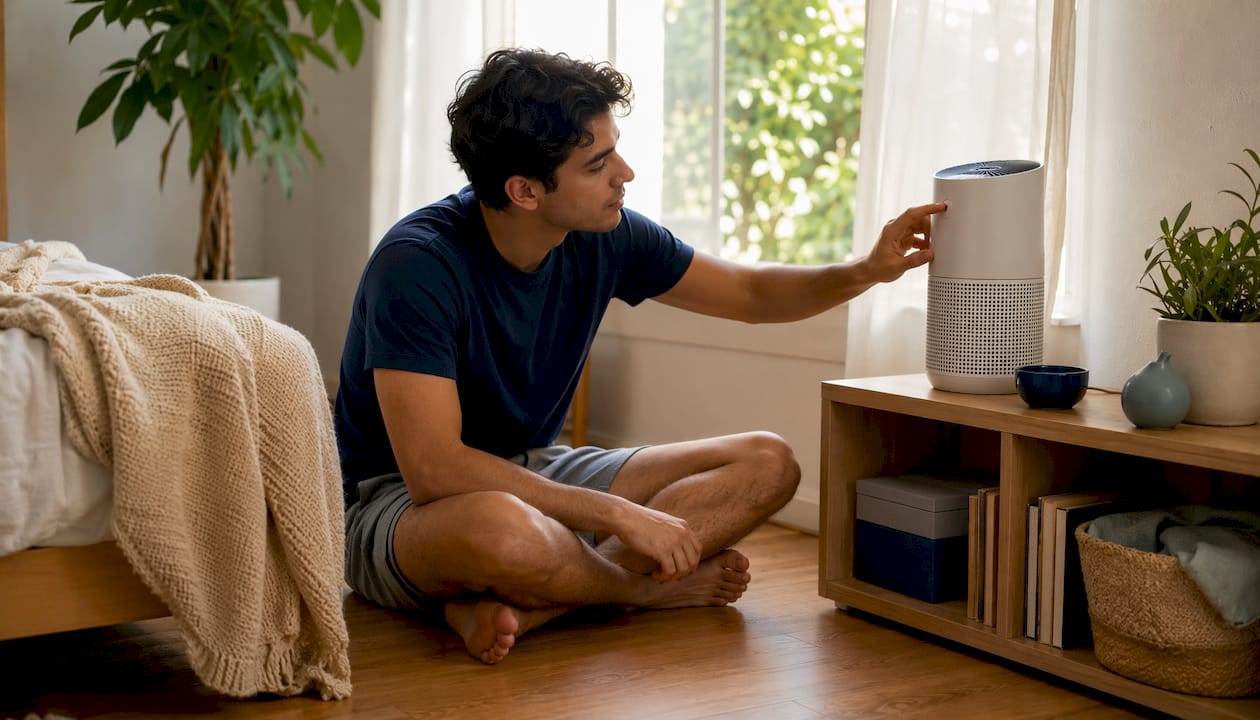
The bedroom is the priority. You spend roughly a third of your life there, and allergen concentrations are highest in sleeping environments. Focusing your effort there delivers the best return.
What total bedroom control looks like in practice:
- Allergen-proof encasements on every mattress and pillow
- Weekly hot washing of all bedding at 60°C or above to kill dust mites
- Weekly vacuuming with a HEPA-filter vacuum
- Indoor humidity kept at or below 50%, ideally between 30% and 50%
- Reduced clutter and dust-collecting soft furnishings
Research involving 2,419 patients found that total bedroom control with at least three concurrent interventions produced a relative risk of 3.39 for patient-reported improvement. Partial measures, meaning one or two interventions applied inconsistently, showed no clinically meaningful benefit.
How to use a HEPA air purifier effectively for allergen reduction
True HEPA filters capture 99.97% of particles at 0.3 microns, which covers dust mite faecal matter and body fragments. These are the particles that actually trigger allergic reactions, and they become airborne every time you disturb bedding or upholstered furniture.
Placement matters more than most people realise. Position the purifier near the sleeping area, not across the room, and run it continuously overnight. Allergen particles from disturbed bedding can remain airborne for over an hour, so a purifier that clears the air in around 20 minutes provides real protection during that window.
Pro Tip: Leave the bedroom for at least 30 minutes after changing bedding or vacuuming. Disturbed allergens spike sharply during cleaning and take time to settle or be captured. Running your purifier on high during this period reduces your exposure significantly.
Avoid ionisers. They produce ozone, which irritates airways, and charged particles simply stick to walls rather than being captured. Stick to True HEPA, not “HEPA-type” or “HEPA-like” filters, which do not meet the same standard.
Key features to look for in a bedroom air purifier:
- True HEPA filtration (not HEPA-like)
- CADR rating matched to your room size
- At least 4–5 air changes per hour (ACH) for allergy sufferers
- Quiet operation mode for overnight use
- Filter replacement indicator
Pair the purifier with a dehumidifier or air conditioner to keep humidity below 50%. Dust mites cannot survive long in dry conditions, so humidity control and air purification work together rather than in parallel.
How to treat carpets and upholstery to reduce dust mites
Carpets and upholstered furniture are the second-largest reservoir of dust mite allergens after bedding. Vacuuming alone cannot remove live mites because mites grip fibres with specialised foot pads, but regular HEPA-vacuum use does reduce allergen load meaningfully. Vacuum carpets and upholstered surfaces at least twice weekly.
Where possible, replace wall-to-wall carpet in the bedroom with hard flooring: timber, vinyl, or tiles. If carpet stays, keep it dry. Humidity control is especially critical here because a damp carpet holds far more mites than a dry one. Steam cleaning adds modest benefit on top of frequent HEPA vacuuming, though it cannot penetrate deep debris layers without risking staining.
For upholstered furniture, reduce it where you can. Area rugs are easier to take outside, beat, and dry in the sun than fitted carpet. Minimising dust-collecting surfaces throughout the home, including replacing heavy drapes with washable blinds, cuts the overall allergen reservoir significantly.
Pureair-au has the right tools for Australian homes
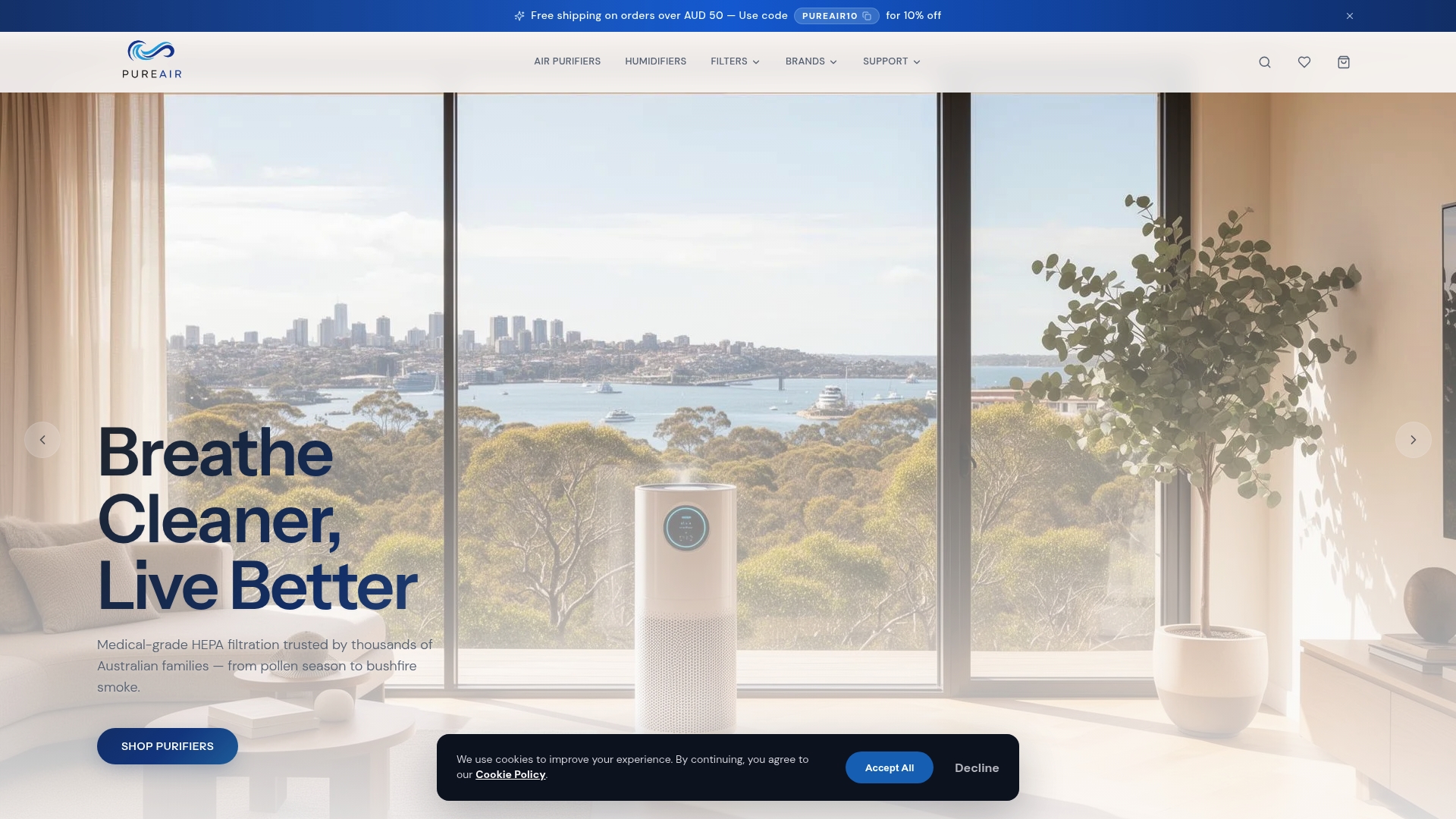
Australian homes face specific challenges: humid coastal climates, bushfire smoke seasons, and year-round dust that makes allergen management harder than in drier climates. Pureair-au stocks a curated range of AHAM-verified air purifiers, dehumidifiers, and humidifiers chosen for local conditions, not generic global markets.
Every product in the Pureair-au catalogue is selected to work as part of the total bedroom control approach this article describes. The Smart Finder tool on the site matches you to the right unit based on room size, concern type (allergies, mould, smoke), and budget. No guesswork, no wading through hundreds of specs.
Browse the full range at Pureair-au and find the combination that fits your home.
Key takeaways
Effective dust mite allergen reduction requires at least three concurrent interventions: HEPA air purification, humidity control below 50%, and rigorous bedding management applied consistently in the bedroom.
| Point | Details |
|---|---|
| Multi-method approach | At least three concurrent interventions are needed for clinically meaningful allergen reduction. |
| HEPA purifier efficacy | Air filtration achieves a 75.2% median reduction of airborne Der f 1 allergen in bedrooms. |
| Humidity target | Keep indoor relative humidity between 30% and 50% to inhibit dust mite survival and reproduction. |
| Bedding management | Wash all bedding weekly at 60°C or above; encasements alone are not sufficient without regular hot washing. |
| Pureair-au | Stocks AHAM-verified air purifiers and dehumidifiers matched to Australian home conditions and allergen control needs. |