Childhood asthma triggers fall into six main categories: viral respiratory infections, indoor and outdoor allergens, irritants, exercise and weather, certain medicines and food additives, and strong emotions. The single most important first step when symptoms flare is to follow your child’s Asthma Action Plan and give their prescribed reliever inhaler. If you haven’t created one yet, Asthma Australia and the National Asthma Council Australia both offer free templates you can complete with your GP.
Immediate first actions when symptoms appear:
- Follow the child’s written Asthma Action Plan step by step
- Give the prescribed reliever inhaler (usually salbutamol) with a spacer
- Move the child away from smoke, strong sprays, or any obvious irritant
- Sit them upright and stay calm with them
- Call triple zero (000) if symptoms do not improve within a few minutes
Red flags that need emergency care right now:
- Difficulty speaking in full sentences or unable to speak at all
- Lips or fingernails turning blue or pale
- Breathing very fast, or breathing that seems to be slowing dangerously
- Skin sucking in at the throat or between the ribs with each breath
- No improvement after giving the reliever inhaler
Pro Tip: Keep a reliever inhaler and spacer in two places — at home and at school or childcare. Spacers make reliever medication up to four times more effective in young children, so never skip one.
Key takeaways
Childhood asthma triggers span six categories, and identifying your child’s personal triggers through a structured diary and GP review is the most effective path to fewer flare-ups.
| Point | Details |
|---|---|
| Viral infections are the top trigger | Rhinovirus, influenza, and RSV cause more childhood asthma flare-ups than any other single trigger. |
| Indoor allergens need year-round control | Dust mites, mould, and pet dander are present regardless of season; bedroom controls come first. |
| Irritants include everyday household products | Aerosol sprays, scented candles, and cleaning products can narrow airways; switch to fragrance-free alternatives. |
| Triggers shift as children grow | A child’s trigger profile changes with age; review the Asthma Action Plan annually and after any severe attack. |
| Pureair-au offers AHAM-verified solutions | True HEPA air purifiers and humidity control devices from Pureair-au reduce airborne particles in Australian homes. |
Table of Contents
- What are childhood asthma triggers, and why do they vary so much?
- How to work out which triggers affect your child
- Reducing your child’s exposure at home, at school, and outdoors
- When to see a doctor and when to call triple zero (000)
- Triggers are not fixed: how they shift as children grow
- Do air purifiers actually help with childhood asthma?
- A pragmatic checklist for parents managing asthma today
- How medical-grade air quality solutions can help Australian families
- Sources
What are childhood asthma triggers, and why do they vary so much?
Triggers differ between children and may change over time. Genetics and environmental exposures both shape which triggers matter for a given child. Some children react to a handful of triggers; others react to just one or two, and occasionally no clear trigger can be identified at all. That variability is exactly why a personalised Asthma Action Plan, built with your GP or paediatrician, matters more than any generic list.
The underlying mechanism is the same across trigger types: something irritates or sensitises the airways, causing the muscles around them to tighten, the lining to swell, and extra mucus to form. The result is the familiar wheeze, cough, chest tightness, and shortness of breath. What differs is the pathway. Allergens activate the immune system; irritants provoke a direct chemical response; viral infections cause widespread airway inflammation; exercise and cold air cause rapid changes in airway temperature and moisture.
1. Viral respiratory infections
Rhinovirus, influenza, and RSV are consistently cited as the leading triggers for childhood asthma flare-ups, and symptoms can persist for days or weeks after the infection clears. This is especially relevant in Australian winters, when cold and flu season coincides with cooler, drier air that already stresses airways. Children in childcare and primary school are exposed frequently, so prevention (annual flu vaccination, good hand hygiene) is a practical first line of defence.
2. Indoor allergens
Dust mites, mould, pet dander, cockroach waste, and rodent allergens can trigger asthma year-round because they live inside the home regardless of season. In Australian homes, dust mites thrive in humid coastal climates — Sydney, Brisbane, and the Gold Coast are particularly high-risk. Mould grows in bathrooms, under carpets, and inside wall cavities after flooding or persistent dampness. Pet dander from cats and dogs is one of the stickiest allergens around: it clings to furniture, clothing, and even surfaces in rooms the pet never enters.
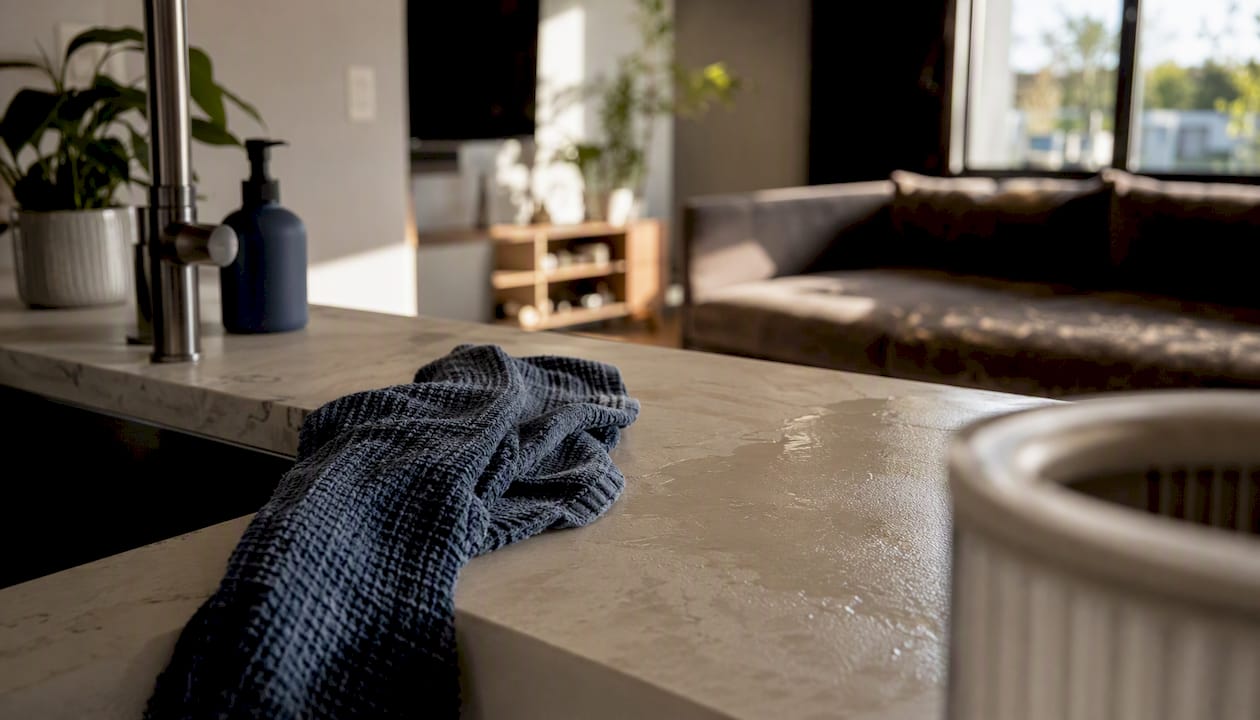
Understanding why indoor allergens can be more persistent than outdoor ones helps explain why bedroom controls often matter more than anything else you do outdoors.
3. Outdoor allergens: pollen and mould spores
Pollen from grasses, weeds, and trees is the main outdoor allergen for Australian children. Ryegrass pollen peaks in spring and early summer across southern Australia, while wattle (Acacia) pollen is a well-known trigger from late winter through spring. Thunderstorm asthma is a specific Australian risk: during certain storm events, pollen grains rupture into tiny fragments that penetrate deep into the airways. Melbourne’s November 2016 thunderstorm asthma event remains the most documented example of this phenomenon in Australia.
Outdoor mould spores spike after rain and in humid conditions, particularly in subtropical Queensland and coastal New South Wales.
4. Irritants and pollutants
Scented products, aerosol sprays, and smoke provoke airway narrowing and inflammation in children with asthma and should be minimised in the home. The list is longer than most parents expect: cigarette and vape smoke, bushfire smoke, wood heater smoke, traffic exhaust, cleaning sprays, air fresheners, perfumes, scented candles, and paint fumes all qualify. Bushfire smoke is a significant seasonal concern across much of regional and coastal Australia, particularly from November through March.
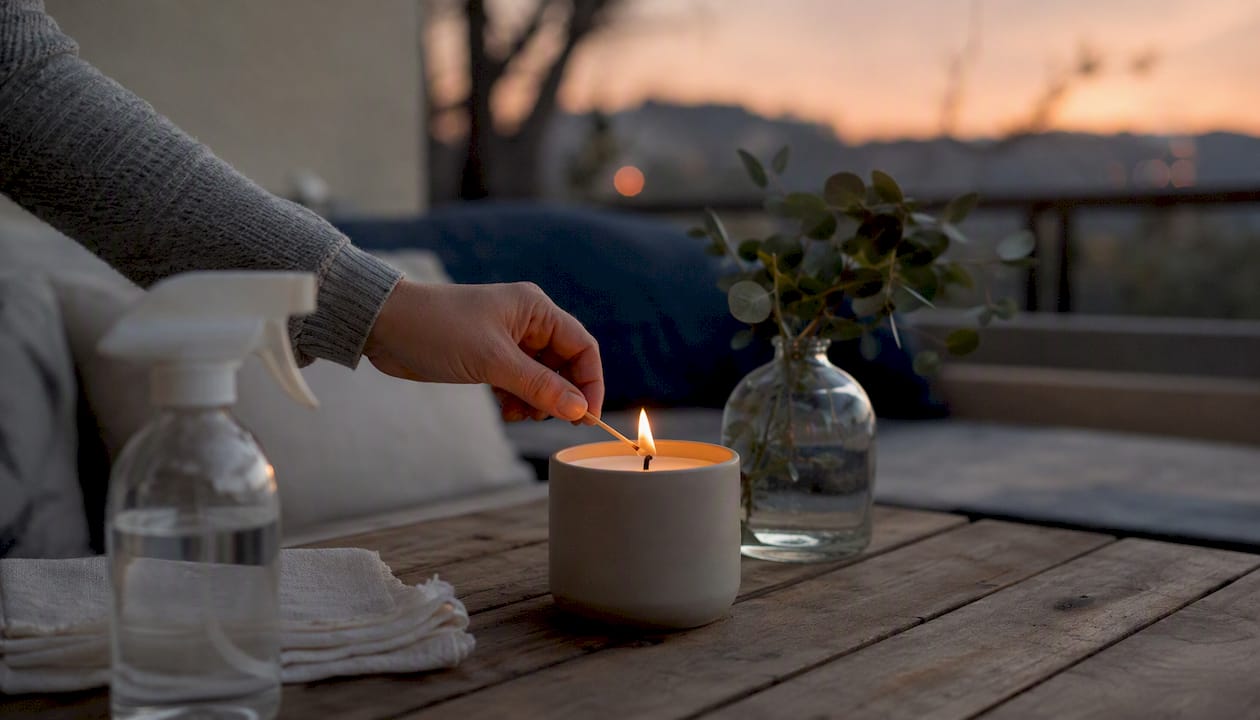
Environmental tobacco smoke deserves special mention. Even secondhand smoke exposure worsens asthma severity and prolongs flare-ups in children, and thirdhand smoke (residue on clothing, furniture, and walls) is also problematic.
5. Exercise and weather
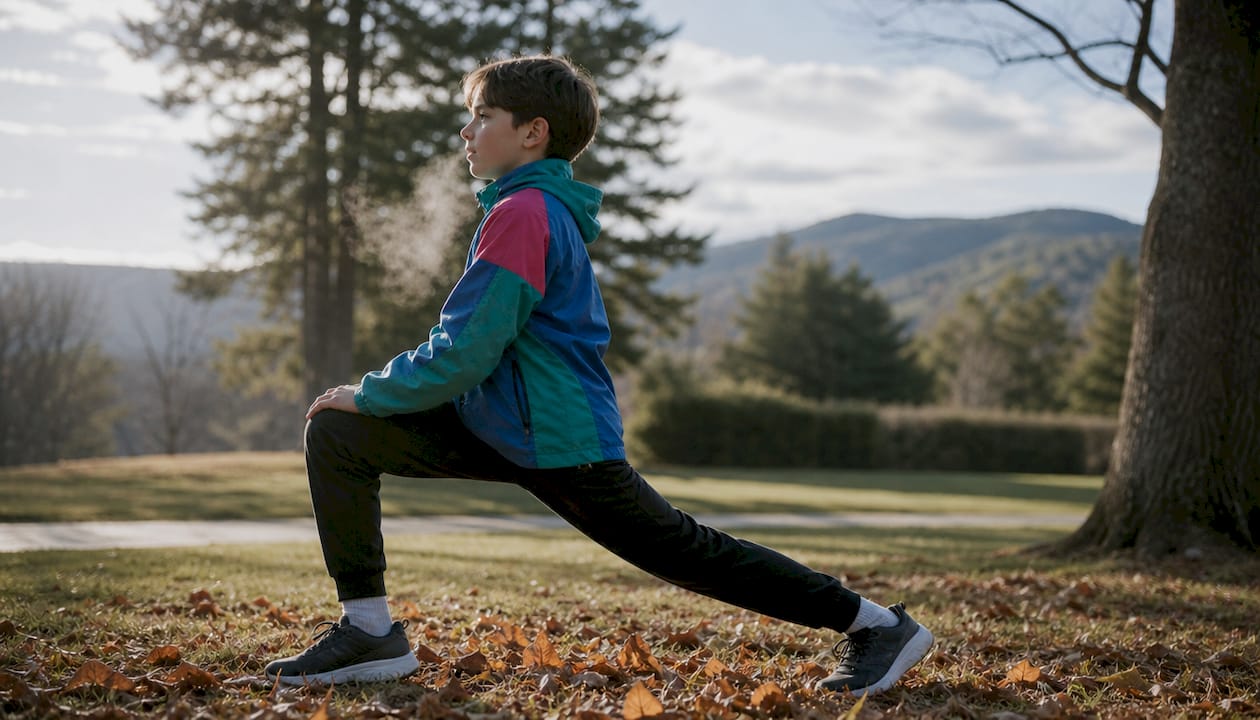
Exercise-induced bronchoconstriction is common in children with asthma, but the goal is never to stop a child from being active. Clinical guidance supports keeping children with asthma physically active, with appropriate preventer medication and warm-up strategies in place. Cold, dry air is a particularly potent trigger because it dries and cools the airways rapidly. Windy days increase pollen dispersal, and high humidity can promote mould growth and dust mite populations.
Australia’s climate adds specific layers: extreme heat in inland areas can concentrate air pollutants, while high humidity along the coast creates ideal conditions for dust mites and mould year-round.
6. Medicines and food additives
Aspirin and non-steroidal anti-inflammatory drugs (NSAIDs) such as ibuprofen can trigger asthma in some children, though this is less common than allergen or irritant triggers. Certain food additives, particularly sulphites (found in dried fruit, wine, and some processed foods), can provoke symptoms in sensitive children. Beta-blockers, used for heart conditions or migraines, are another medication class to flag with your doctor.
7. Emotions and stress
Strong emotions — intense laughter, crying, anxiety, or excitement — can alter breathing patterns in a way that narrows the airways. This isn’t a psychological condition; it’s a real physiological response. Children who are anxious about an asthma attack can sometimes trigger one through the hyperventilation that anxiety causes. Addressing emotional wellbeing as part of asthma management is worth raising with your GP.
Pro Tip: The “hypoallergenic pet” claim is largely a myth. No cat or dog breed is completely free of allergens. The proteins that trigger reactions come from saliva, skin cells, and urine, not just fur, and they spread through the home regardless of breed. If a pet is already part of the family, managing air circulation and pet dander becomes a practical priority rather than rehoming the animal.
How to work out which triggers affect your child
Identifying personal triggers takes a few weeks of structured observation. Most families find that a simple diary, combined with one or two controlled changes, gives a clearer picture than any single test.
Start with a two-to-four-week symptom diary. Record for each day:
- Date and time of any symptoms (cough, wheeze, chest tightness, shortness of breath)
- Activity at the time (playing outside, sport, sleeping, at school)
- Location (bedroom, lounge, garden, school, a friend’s house)
- Weather and air quality (hot, cold, windy, smoky, humid)
- Any exposures (pets, cleaning products, perfumes, smoke, freshly mown grass)
- Foods eaten in the two hours before symptoms
- Reliever inhaler use (time and number of puffs)
- Any recent illness (cold, flu, ear infection)
After two to four weeks, patterns usually emerge. Symptoms that cluster around the bedroom suggest dust mites or mould. Symptoms that spike in spring point toward pollen. Consistent post-exercise symptoms suggest exercise-induced bronchoconstriction.
When to move to the next step:
- If the diary shows a clear pattern linked to one exposure, try a controlled removal (for example, move the pet out of the bedroom for two weeks and see if night symptoms improve).
- If the pattern is unclear or symptoms are frequent and severe, book a GP appointment and bring the diary.
- Your GP may refer to a paediatric allergist for skin-prick testing or specific IgE blood tests to confirm allergen sensitisation.
A simple decision flow:
- Keep diary for 2–4 weeks
- Spot a pattern? Try a controlled removal at home
- Symptoms improve? You’ve likely found a trigger
- No clear pattern, or symptoms are severe? See your GP
- GP recommends it? Proceed to formal allergy testing
Peak flow monitoring can add another layer of evidence for children old enough to use a peak flow meter reliably (usually from around six years). A consistent drop in peak flow readings on school mornings, for example, can point toward a school-based trigger. Improvement after a weekend at home suggests the trigger is at school rather than at home.
Reducing your child’s exposure at home, at school, and outdoors
At home
The bedroom is the highest priority because children spend roughly eight to ten hours there every night. Start with the child bedroom air quality checklist and work through these steps:
- Encase the mattress, pillow, and doona in dust-mite-proof covers
- Wash all bedding weekly in water at 60°C or above to kill dust mites
- Remove soft toys from the bed, or wash them regularly at the same temperature
- Replace carpet with hard flooring in the bedroom if possible
- Vacuum with a HEPA-sealed vacuum cleaner weekly
- Keep indoor humidity between 30% and 50% to limit dust mite and mould growth — a dehumidifier helps in humid climates, and a guide to dehumidifiers and child illness prevention explains how to choose the right capacity
- Ban smoking and vaping indoors, including in the car
- Switch to fragrance-free cleaning products and avoid aerosol sprays
- Keep pets out of the bedroom entirely
For reducing dust mite populations indoors, consistent habits matter more than any single product.
Local Australian health guidance confirms that indoor allergen control and humidity management are among the most practical techniques for reducing childhood asthma triggers in Australian homes.
At school and childcare
- Give the school a written Asthma Action Plan signed by your GP
- Provide a reliever inhaler and spacer to be kept at school (check expiry dates each term)
- Ask staff to minimise aerosol sprays and strong-smelling cleaning products in the classroom
- Identify a quiet indoor space the child can use on high-pollen or smoky days
- Inform the PE teacher about exercise-induced symptoms and the pre-exercise reliever protocol if one is prescribed
Organising the home environment for the school year, including reducing dust accumulation in shared spaces, is a practical step many families overlook until symptoms worsen. Back-to-school home organisation tips can help establish routines that keep allergen loads lower through the term.
Outdoors and seasonal planning
- Check the daily pollen count through the AirRater app or Melbourne Pollen Count (for southern Australia) before outdoor activities
- Keep outdoor activity indoors on days when the Air Quality Index (AQI) is above 100, particularly during bushfire season
- Avoid outdoor exercise in the early morning when grass pollen counts peak
- On windy days, keep windows closed and limit time outside
- After outdoor play on high-pollen days, have the child shower and change clothes before entering the bedroom
Pro Tip: A true HEPA air purifier sized correctly for the room can meaningfully reduce airborne particles — including smoke, pollen, and pet dander — when run continuously. The key word is “sized”: a unit rated for 15 square metres won’t do much in a 30-square-metre living room. Check the Clean Air Delivery Rate (CADR) against the room’s actual floor area before buying.
When to see a doctor and when to call triple zero (000)
Emergency signs: call 000 immediately
- The child cannot speak in full sentences or cannot speak at all
- Lips, fingernails, or face are turning blue or pale
- Breathing is very fast, very laboured, or appears to be slowing
- Skin is visibly sucking in at the throat or between the ribs
- The reliever inhaler has been given and there is no improvement within a few minutes
These are not “wait and see” situations. Call triple zero (000) in Australia for any severe breathing emergency.
Book a GP or paediatrician review when:
- Your child is using the reliever inhaler more than twice a week (outside of exercise)
- Night-time coughing or wheeze is waking the child regularly
- Asthma is limiting normal activity, sport, or school attendance
- A cold or flu consistently triggers a prolonged flare-up lasting more than a week
- The current Asthma Action Plan hasn’t been reviewed in the past twelve months
What to bring to the appointment:
- The completed symptom diary
- All current inhalers, spacers, and any preventer devices
- The existing Asthma Action Plan (if one exists)
- Recent peak flow readings if you’ve been tracking them
- A list of any new exposures, pets, or home changes since the last visit
The appointment is also the right time to ask about formal allergy testing if the diary hasn’t identified a clear trigger, or if symptoms are frequent and poorly controlled despite following the current plan.
Triggers are not fixed: how they shift as children grow
Asthma trigger profiles change over time, and a plan that worked at age four may need updating by age eight. Several patterns are worth knowing.
- Viral infections dominate in toddlers and preschool-aged children; the airways are smaller and more reactive, so even a mild cold can cause a significant flare
- As children move into primary school, seasonal pollen becomes a more prominent trigger, particularly in spring
- Sensitisation to new allergens can develop over years of exposure, meaning a child who tolerated the family cat at age three may react to it at age seven
- Some children “grow out” of asthma in adolescence; others develop new triggers or find that exercise-induced symptoms become more prominent as they become more physically active
- Emotional and stress-related triggers often become more significant in older children and teenagers
A sensible monitoring cadence: keep a diary during high-risk seasons (spring pollen season, winter cold-and-flu season), schedule an annual asthma review with your GP, and book an unscheduled review after any severe attack or significant change in symptom pattern. Update the Asthma Action Plan after any medication change or trigger shift.
Do air purifiers actually help with childhood asthma?
The evidence is clear on what HEPA filtration does and doesn’t do. True HEPA air purifiers reduce airborne particles, including smoke and pet dander, when sized and run correctly, but they don’t treat infections, and they don’t remove allergens that have already settled on surfaces. Pairing filtration with humidity control and regular surface cleaning is more effective than filtration alone.
For Australian families, the most relevant use cases are bushfire smoke days, high-pollen periods, and homes with pets or persistent mould issues.
Buying checklist for Australian homes
- True HEPA filter rating: captures 99.97% of particles at 0.3 microns; avoid units labelled “HEPA-type” or “HEPA-like”
- CADR matched to room size: check the Clean Air Delivery Rate against the room’s floor area; a bedroom unit is different from a living room unit
- Low ozone emissions: some ionising purifiers produce ozone, which is itself an airway irritant; choose units with no ioniser or one that can be switched off
- Humidity control: if mould or dust mites are a concern, a combined purifier and humidifier/dehumidifier, or a separate humidity control device, addresses both particle and moisture triggers
- AHAM verification: the Association of Home Appliance Manufacturers (AHAM) independently verifies CADR claims; look for the AHAM Verifide mark
- Filter replacement cost and frequency: factor in ongoing filter costs; most true HEPA filters need replacing every six to twelve months depending on use
Maintenance matters
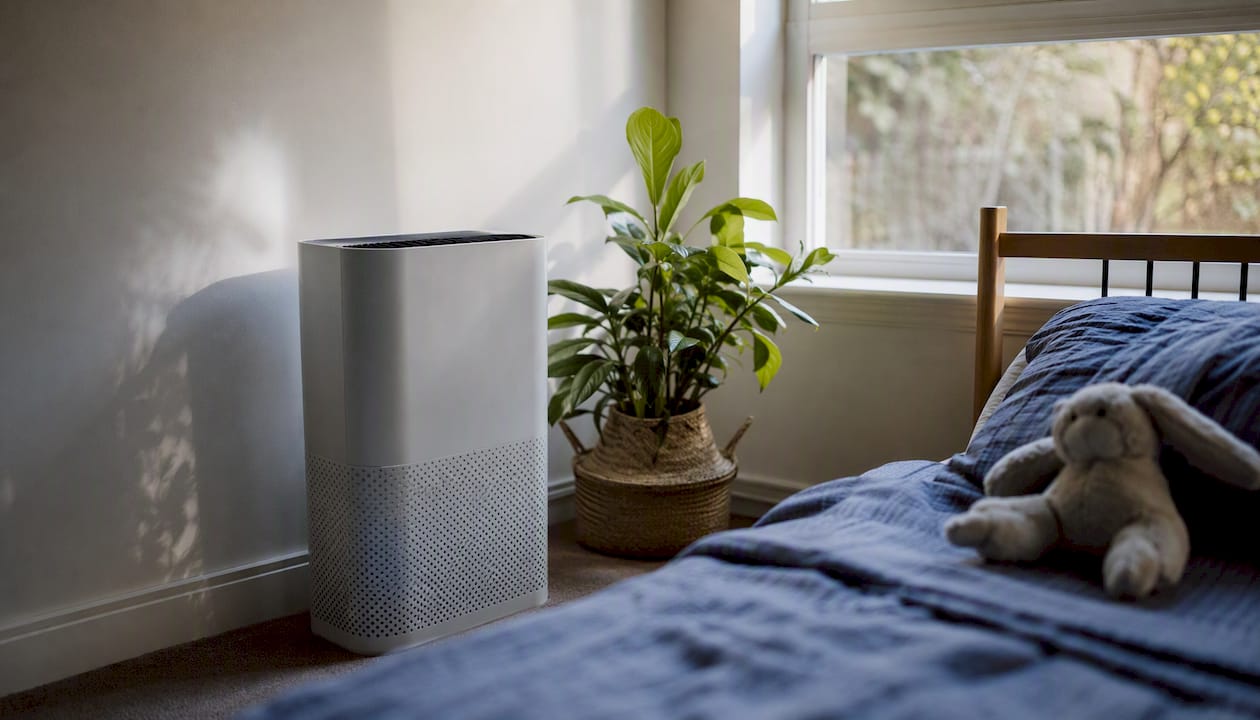
A clogged filter doesn’t just perform poorly — it can restrict airflow enough to make the unit counterproductive. Clean pre-filters monthly, replace HEPA filters on schedule, and run the unit continuously in the child’s bedroom rather than only when symptoms appear. Placement matters too: position the unit away from walls and furniture so air can circulate freely around the intake.
Honest limitations: air purifiers reduce airborne particles but cannot eliminate surface allergens, food triggers, or the risk of viral infection. They complement medical management; they don’t replace it.
Pro Tip: On high-smoke days during bushfire season, close windows and run the air purifier on its highest setting. A unit with a smoke-specific CADR rating will clear particles faster than a general-purpose model. Check the AQI before deciding whether to ventilate or seal the home.
A pragmatic checklist for parents managing asthma today
Managing a child’s asthma can feel relentless, particularly during winter or a bad pollen season. The good news is that most triggers are identifiable and most exposures are reduceable with a structured approach.
Here is a short checklist you can act on in the next 48 hours:
- Check immediate safety: confirm the reliever inhaler is in date and the spacer is clean and available at home and at school
- Start a two-week diary: use the fields listed earlier in this article; patterns usually become visible within a fortnight
- Make three priority home changes: remove all aerosol sprays and scented products from the child’s bedroom and living areas; check for visible mould in the bathroom and bedroom; if anyone smokes or vapes, move that entirely outdoors
- Book a GP appointment: bring the diary and ask specifically about updating the Asthma Action Plan and whether allergy testing is warranted
- Plan for the next season: if it’s late winter, prepare for spring pollen season now; if it’s autumn, prepare for cold-and-flu season with flu vaccination
The stress of watching a child struggle to breathe is real, and it doesn’t get easier just because you know the science. What does get easier is having a written plan, a stocked inhaler kit, and a clear sense of which exposures to avoid. Triggers are manageable. Start with the list above and build from there.
How medical-grade air quality solutions can help Australian families
For families where indoor allergens, pet dander, or bushfire smoke are confirmed or suspected triggers, a medical-grade air purifier, dehumidifier, or humidifier can meaningfully reduce the particle load your child breathes every night.
Pureair-au supplies AHAM-verified air purifiers, dehumidifiers, and humidifiers selected specifically for Australian conditions, from coastal humidity to inland bushfire smoke. The Honeywell Air Touch P2 is a compact bedroom option suited to children’s rooms, while the Blueair 2-in-1 Purify + Humidify DH3i handles both particle filtration and humidity control in one unit.
These devices complement your child’s Asthma Action Plan and medical management. They are not a substitute for prescribed medication or GP advice. Browse the full range and use the Smart Finder at Pureair-au’s catalogue to find the right fit for your home.
Sources
Authoritative sources parents can trust for guidelines, emergency advice, and further reading:
- Asthma triggers — Nemours KidsHealth
- Childhood asthma — Mayo Clinic
- Asthma in children — MedlinePlus
- Asthma in children — Better Health Victoria
For real-time air quality monitoring in Australia, check the AirRater app (available for iOS and Android) and the Department of the Environment’s Air Quality Index for your state. On days when the AQI exceeds 100 or bushfire smoke is forecast, limit outdoor activity and run indoor filtration on its highest setting.
This article provides general health information only and is not a substitute for professional medical advice. Always consult your GP or paediatrician for guidance specific to your child’s condition, and call triple zero (000) in any breathing emergency.